


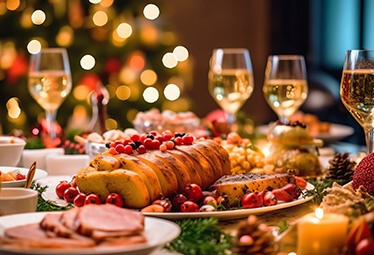
 The festive season is synonymous with warm family moments, laughter around the table, and of course... an abundance of treats! But when you live with type 2 (or type 1) diabetes, this period can also be a source of concern: Can I try the Yule log? Should I refuse the petits fours? And alcohol, is that allowed? There's no question of staying away from the festivities. With a little forward planning, a few adjustments, and good habits, it's entirely possible to enjoy yourself without putting your health at risk.
Here are our warm and practical tips for enjoying the festive season... while keeping your blood sugar under control.
1. Change your mindset: enjoy yourself without guilt
Living with diabetes does not mean denying yourself all treats or indulgences. The important thing is not deprivation, but balance and moderation. The goal is to avoid blood sugar spikes while still enjoying a good meal.
Essential tip: never sit down to eat after skipping a meal. This could cause hypoglycaemia or compulsive eating, as well as disrupting your blood sugar balance.
2. Put together a festive and balanced plate
Before the meal:
- Avoid crisps, puff pastries, savoury biscuits that are too salty or high in saturated fat.
- Opt for crunchy vegetable sticks, natural (unsalted) almonds or nuts, or small homemade appetisers (mini vegetable skewers, salmon rolls, etc.).
Starter:
- Go for raw vegetables, a homemade cream-free soup, or seafood (high in protein, low in carbohydrates).
- Foie gras? Yes, in small quantities, preferably on a slice of wholemeal or multigrain bread.
Main course:
- Choose lean meats or fish.
- Fill your plate with steamed, roasted or homemade puréed vegetables (without excess fat).
- Limit starchy foods to a reasonable portion, especially if they are accompanied by sauces.
Dessert:
- Why not make a homemade Yule log with less sugar?
- Other ideas include a fresh seasonal fruit salad, or a dessert made with compote without added sugar, a hint of dark chocolate, or plain yoghurt and spices (cinnamon, vanilla).
3. Sugar... a pleasure to be enjoyed in moderation, not banned
It is possible to consume a little sugar during the festive season, provided that it is included in a meal and not consumed on its own, away from other foods.
Combining a sweet food with fibre (vegetables), protein or healthy fats (olive oil, nuts, avocado) helps to slow down the rise in blood sugar levels.
The goal: to avoid rapid blood sugar spikes, which are tiring for the body.
4. What about alcohol? Yes, but...
Alcohol can disrupt blood sugar levels, especially if consumed on an empty stomach. It can cause blood sugar levels to rise or fall dangerously, depending on the circumstances.
A few simple tips:
- Always drink with food.
- Avoid strong or very sweet alcoholic drinks (cocktails, liqueurs, fortified wines).
- Opt for a glass of dry wine or even a glass of brut champagne, in moderation.
- Limit yourself to a maximum of 1 to 2 drinks, and stay well hydrated with water throughout the evening.
5. Move around to aid digestion... and regulate blood sugar
After a good meal, there's nothing like a little digestive walk!
This helps to:
- stimulate digestion,
- naturally lower blood sugar,
- enjoy a quiet moment to chat or admire the Christmas decorations.
Even in the middle of winter, wrapping up warm and going for a walk with your family is a simple and effective way to stay healthy.
6. Manage stress and fatigue
Stress has a direct impact on blood sugar levels. Despite their joyful atmosphere, the festive season can also be a source of emotional tension, fatigue and nervousness.
Learn to take care of yourself: allow yourself moments of rest, calm and breathing space.
The festive season is meant to be enjoyed!
Living with diabetes requires attention, but it should never be a source of frustration, especially during the festive season. With preparation, wise choices and a little exercise, it is possible to fully participate in meals and traditions while maintaining your balance.


